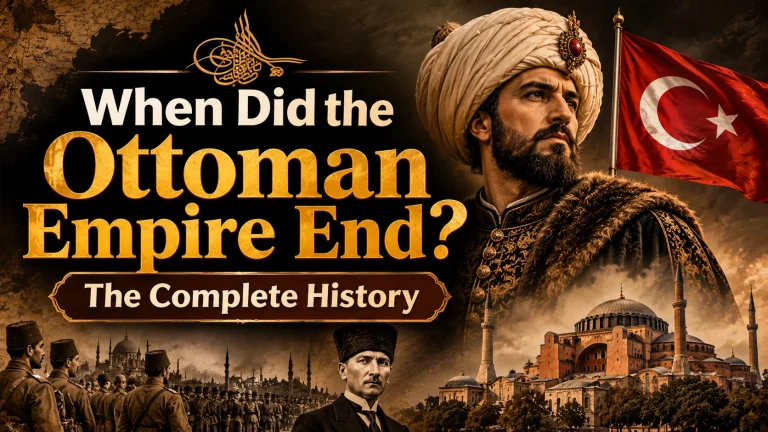
When Did Ottoman Empire End? The Complete History
Introduction
When Did Ottoman Empire End? The Complete History
Discover the final years of the Ottoman Empire, the impact of World War I, and the rise of modern Turkey.
Introduction
When Did Ottoman Empire End? This is an important question for anyone interested in world history. The Ottoman Empire was one of the most powerful empires in history. It began around 1299 under Osman I and lasted for more than six centuries. At its height, the empire controlled large areas of southeastern Europe, western Asia, and North Africa.
The Ottoman Empire officially ended as a sultanate on November 1, 1922, when the Turkish Grand National Assembly abolished the Ottoman Sultanate. The Republic of Turkey was established on October 29, 1923, and the Ottoman Caliphate was abolished on March 3, 1924. These events marked the end of the Ottoman imperial system and the beginning of a new political era.
Key Historical Dates
• 1299: Traditional founding date of the Ottoman Empire.
• 1453: Conquest of Constantinople.
• 1922: Abolition of the Ottoman Sultanate.
• 1923: Establishment of the Republic of Turkey.
• 1924: Abolition of the Ottoman Caliphate.
1. The Rise of the Ottoman Empire
The Ottoman Empire began in northwestern Anatolia, in present-day Turkey, under Osman I. During the following centuries, Ottoman rulers expanded their territory through military campaigns, diplomacy, and political alliances.
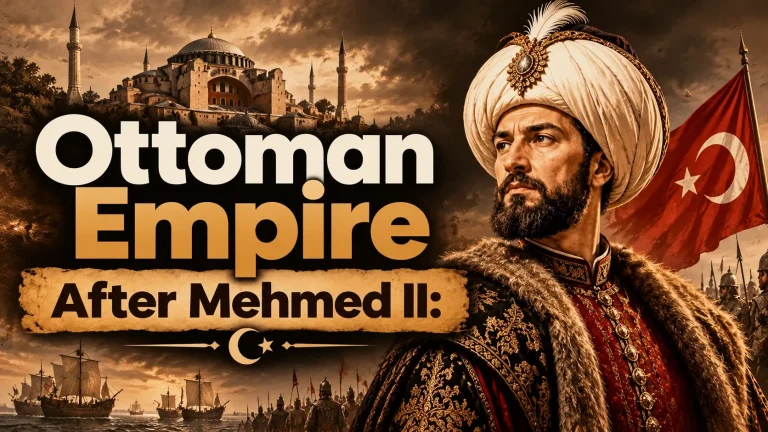
One of the most important moments in Ottoman history occurred in 1453, when Sultan Mehmed II conquered Constantinople. The city became a major center of Ottoman government, trade, and culture.
Under later sultans, the empire expanded into the Balkans, the Middle East, and North Africa. During the reign of Suleiman the Magnificent in the sixteenth century, the Ottoman Empire reached one of its most powerful periods.
Its influence extended across trade routes, religious institutions, architecture, and international politics.
2. Why Did the Ottoman Empire Begin to Decline?
When Did Ottoman Empire End? The answer involves a long process rather than a single event. The empire did not collapse overnight. Its decline was influenced by political, economic, military, and social changes.
Over time, the empire faced challenges in maintaining its large territories. European powers developed stronger military technologies and expanded their economic influence. The Ottoman government also experienced administrative difficulties, financial pressures, and conflicts over reform.
Nationalist movements became increasingly important during the nineteenth century. Various ethnic and national groups sought greater independence or self-government. These movements weakened Ottoman control over several regions.
Despite these problems, the empire continued to exist and introduced reforms in an effort to modernize its government, military, and economy.
3. World War I and the Ottoman Empire
World War I was a major turning point in Ottoman history. The Ottoman Empire entered the war in 1914 on the side of Germany and Austria-Hungary, known as the Central Powers.
Ottoman forces fought on several fronts, including Gallipoli, Mesopotamia, and the Caucasus. Although Ottoman troops achieved some important victories, the empire suffered enormous military and economic losses during the conflict.
In 1918, the Central Powers were defeated, and the Ottoman government agreed to an armistice. Allied forces occupied strategic locations, including Constantinople.
After the war, the victorious powers proposed arrangements that threatened to divide much of the remaining Ottoman territory. These developments created widespread opposition and encouraged a new Turkish national movement.
4. The Turkish War of Independence
Following World War I, Mustafa Kemal Atatürk emerged as a leading figure in the Turkish national movement. He and other nationalists opposed plans to divide Anatolia and established a nationalist government in Ankara in 1920.
The Turkish War of Independence involved military and political struggles against occupying forces and their allies. Turkish nationalist forces eventually secured a decisive position, and international negotiations began to establish new borders and political arrangements.
The Treaty of Lausanne, signed on July 24, 1923, internationally recognized the sovereignty of the new Turkish state.
These developments prepared the way for the abolition of the Ottoman Sultanate and the establishment of the Republic of Turkey.
5. When Did the Ottoman Empire Officially End?
The answer to when did Ottoman Empire end depends on which institution or political development is being discussed.
November 1, 1922
The Turkish Grand National Assembly abolished the Ottoman Sultanate. Sultan Mehmed VI left Constantinople later that month, bringing the Ottoman monarchy to an end.
October 29, 1923
The Republic of Turkey was officially proclaimed, with Mustafa Kemal Atatürk becoming its first president.
March 3, 1924
The Turkish government abolished the Ottoman Caliphate, ending the remaining Ottoman institution of the caliphate within Turkey.
Therefore, November 1, 1922, is generally considered the official end of the Ottoman Empire as a sultanate, while 1923 and 1924 mark important final stages in the transition to the new Turkish Republic.
For additional historical information, read the Encyclopaedia Britannica’s history of the Ottoman Empire.
6. What Happened After the Ottoman Empire Ended?
When did the ottoman empire end, After the Ottoman Sultanate was abolished, the new Turkish Republic began transforming its political and social institutions. The government introduced major reforms in administration, education, law, and public life.
The former Ottoman territories developed along different political paths. Several new states emerged in the Middle East, while other regions experienced changes in borders and government under European influence.
The empire’s end also changed the political landscape of the eastern Mediterranean and the Middle East. Its legacy remains visible in architecture, cuisine, language, culture, and historical traditions across many countries.
Conclusion
When Did Ottoman Empire End? The Ottoman Sultanate officially ended on November 1, 1922. The Republic of Turkey followed on October 29, 1923, and the Ottoman Caliphate was abolished on March 3, 1924.
The empire’s fall resulted from many years of political challenges, territorial losses, economic pressures, nationalist movements, and the consequences of World War I.
Although the Ottoman Empire no longer exists, its historical influence remains important. Understanding its final years helps explain the emergence of modern Turkey and the transformation of the Middle East during the twentieth century.
Explore More History
Discover more about the Ottoman Empire, the Fall of Constantinople, and other important historical events through our related history articles.
When Did Ottoman Empire End? The Complete History
Discover the final years of the Ottoman Empire, the impact of World War I, and the rise of modern Turkey.
Introduction
When Did Ottoman Empire End? This is an important question for anyone interested in world history. The Ottoman Empire was one of the most powerful empires in history. It began around 1299 under Osman I and lasted for more than six centuries. At its height, the empire controlled large areas of southeastern Europe, western Asia, and North Africa.
The Ottoman Empire officially ended as a sultanate on November 1, 1922, when the Turkish Grand National Assembly abolished the Ottoman Sultanate. The Republic of Turkey was established on October 29, 1923, and the Ottoman Caliphate was abolished on March 3, 1924. These events marked the end of the Ottoman imperial system and the beginning of a new political era.
Key Historical Dates
• 1299: Traditional founding date of the Ottoman Empire.
• 1453: Conquest of
When Did Ottoman Empire End? This is an important question for anyone interested in world history. The Ottoman Empire was one of the most powerful empires in history. It began around 1299 under Osman I and lasted for more than six centuries. At its height, the empire controlled large areas of southeastern Europe, western Asia, and North Africa.
The Ottoman Empire officially ended as a sultanate on November 1, 1922, when the Turkish Grand National Assembly abolished the Ottoman Sultanate. The Republic of Turkey was established on October 29, 1923, and the Ottoman Caliphate was abolished on March 3, 1924. These events marked the end of the Ottoman imperial system and the beginning of a new political era.
1. The Rise of the Ottoman Empire
when did the ottoman empire end The Ottoman Empire began in northwestern Anatolia, in present-day Turkey, under Osman I. During the following centuries, Ottoman rulers expanded their territory through military campaigns, diplomacy, and political alliances.
One of the most important moments in Ottoman history occurred in 1453, when Sultan Mehmed II conquered Constantinople. The city became a major center of Ottoman government, trade, and culture.
Under later sultans, the empire expanded into the Balkans, the Middle East, and North Africa. During the reign of Suleiman the Magnificent in the sixteenth century, the Ottoman Empire reached one of its most powerful periods.
Its influence extended across trade routes, religious institutions, architecture, and international politics.
2. Why Did the Ottoman Empire Begin to Decline?
When did ottoman empire end The Ottoman Empire did not collapse overnight. Its decline was a long process influenced by political, economic, military, and social changes.
Over time, the empire faced challenges in maintaining its large territories. European powers developed stronger military technologies and expanded their economic influence. The Ottoman government also experienced administrative difficulties, financial pressures, and conflicts over reform.
Nationalist movements became increasingly important during the nineteenth century. Various ethnic and national groups sought greater independence or self-government. These movements weakened Ottoman control over several regions.
Despite these problems, the empire continued to exist and introduced reforms in an effort to modernize its government, military, and economy.
3. World War I and the Ottoman Empire
World War I was a major turning point in Ottoman history. The Ottoman Empire entered the war in 1914 on the side of Germany and Austria-Hungary, known as the Central Powers.
Ottoman forces fought on several fronts, including Gallipoli, Mesopotamia, and the Caucasus. Although Ottoman troops achieved some important victories, the empire suffered enormous military and economic losses during the conflict.
In 1918, the Central Powers were defeated, and the Ottoman government agreed to an armistice. Allied forces occupied strategic locations, including Constantinople.
After the war, the victorious powers proposed arrangements that threatened to divide much of the remaining Ottoman territory. These developments created widespread opposition and encouraged a new Turkish national movement.
4. The Turkish War of Independence
Following World War I, Mustafa Kemal Atatürk emerged as a leading figure in the Turkish national movement. He and other nationalists opposed plans to divide Anatolia and established a nationalist government in Ankara in 1920.
When did ottoman empire end The Turkish War of Independence involved military and political struggles against occupying forces and their allies. Turkish nationalist forces eventually secured a decisive position, and international negotiations began to establish new borders and political arrangements.
The Treaty of Lausanne, signed on July 24, 1923, internationally recognized the sovereignty of the new Turkish state.
These developments prepared the way for the abolition of the Ottoman Sultanate and the establishment of the Republic of Turkey.
5. When Did the Ottoman Empire Officially End?
The answer to when did the Ottoman Empire end depends on which institution or political development is being discussed.
On November 1, 1922, the Turkish Grand National Assembly abolished the Ottoman Sultanate. Sultan Mehmed VI left Constantinople later that month, bringing the Ottoman monarchy to an end.
On October 29, 1923, the Republic of Turkey was officially proclaimed, with Mustafa Kemal Atatürk becoming its first president.
Finally, on March 3, 1924, the Turkish government abolished the Ottoman Caliphate. This ended the remaining Ottoman institution of the caliphate within Turkey.
Therefore, November 1, 1922, is generally considered the official end of the Ottoman Empire as a sultanate, while 1923 and 1924 mark important final stages in the transition to the new Turkish Republic. Encyclopaedia Britannica – Ottoman Empire
6. What Happened After the Ottoman Empire Ended?
After the Ottoman Sultanate was abolished, the new Turkish Republic began transforming its political and social institutions. The government introduced major reforms in administration, education, law, and public life.
The former Ottoman territories developed along different political paths. Several new states emerged in the Middle East, while other regions experienced changes in borders and government under European influence.
The empire’s end also changed the political landscape of the eastern Mediterranean and the Middle East. Its legacy remains visible in architecture, cuisine, language, culture, and historical traditions across many countries.
Conclusion
When Did Ottoman Empire End? The Ottoman Sultanate officially ended on November 1, 1922. The Republic of Turkey followed on October 29, 1923, and the Ottoman Caliphate was abolished on March 3, 1924.
The empire’s fall resulted from many years of political challenges, territorial losses, economic pressures, nationalist movements, and the consequences of World War I.
Although the Ottoman Empire no longer exists, its historical influence remains important. Understanding its final years helps explain the emergence of modern Turkey and the transformation of the Middle East during the twentieth century.