ANCIENT HISTORY
History of Mohenjo Daro
Discover the fascinating story of one of the world’s earliest planned cities.
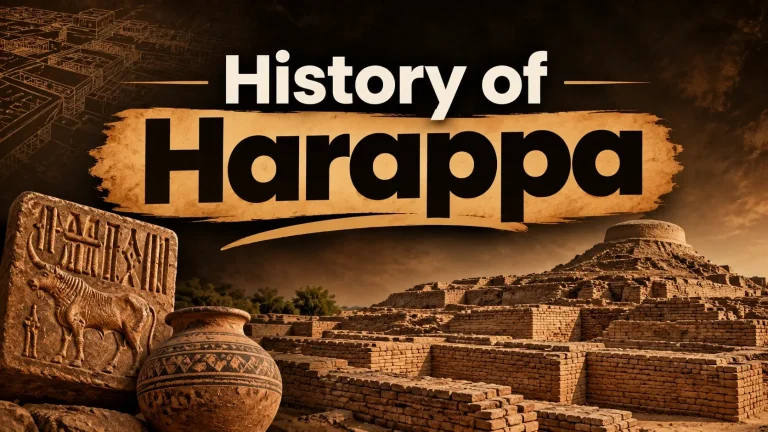
History of Mohenjo Daro takes us back thousands of years to one of the world’s earliest planned cities. Located in Sindh, Pakistan, near the Indus River, Mohenjo Daro was an important city of the Indus Valley Civilization. It flourished around 2600 BCE and is famous for its advanced city planning, brick houses, and drainage system.
The Beginning History of Mohenjo Daro
Mohenjo Daro was built in a fertile region near the Indus River. The river provided water for farming and helped people grow crops. Farmers cultivated wheat, barley, and other crops to support their families. The fertile land also helped the city develop trade and business.
The people of Mohenjo Daro built strong houses using baked bricks. Many houses had several rooms and small courtyards. Some homes also had private bathing areas. These features show that the people understood the importance of comfortable living and cleanliness.
An Advanced History of Mohenjo Daro
Mohenjo Daro was one of the most well-planned cities of the ancient world. Its streets were arranged in an organized pattern, with many roads crossing at right angles. This design made it easier for people to move around the city.
One of the most impressive features was its drainage system. Drains carried wastewater away from houses and streets. Many homes had access to wells, which provided water for daily use.
The Great Bath
The city had a famous public structure called the Great Bath. It was a large, carefully constructed bathing pool. Historians believe it may have been used for special ceremonies or community activities, although its exact purpose remains uncertain.
Daily Life and Trade of Mohenjo Daro
The people of Mohenjo Daro had different jobs and skills. Some worked as farmers, while others were potters, builders, metalworkers, and traders. Skilled craftspeople made pottery, jewelry, tools, and small decorative objects.
Trade was an important part of their lives. Archaeological discoveries suggest that the Indus Valley people traded goods with other regions, including Mesopotamia. They used seals and standardized weights, which may have helped them organize business activities.
The people also created small objects from bronze, stone, shell, and other materials. One famous discovery is the bronze Dancing Girl statue. This small sculpture shows the artistic skills of ancient craftspeople.
Writing and Culture of Mohenjo Daro
The people of Mohenjo Daro used a system of signs that appears on seals and other objects. However, scholars have not yet fully deciphered this ancient script. As a result, many details about their language, beliefs, and government remain unknown.
Archaeologists have discovered pottery, ornaments, tools, and sculptures at the site. These objects provide valuable information about the culture and daily activities of the people who lived there.
Unlike some other ancient civilizations, Mohenjo Daro has not provided clear evidence of enormous royal palaces or grand royal tombs. This makes its social and political organization an interesting subject for researchers.
The Decline of Mohenjo Daro
After many centuries of growth, Mohenjo Daro gradually declined. By around 1900 BCE, many major Indus Valley cities were changing or losing their importance.
The exact reasons for the decline are still uncertain. Changes in river systems, shifting rainfall patterns, environmental pressures, and changes in trade may have contributed. There is no single confirmed explanation for why the city lost its former importance.
Over time, the ancient settlement became buried beneath layers of earth. Its remarkable buildings and streets remained hidden for centuries.
Rediscovery and Historical Importance of Mohenjo Daro
Mohenjo Daro was brought to international attention through archaeological excavations in the 1920s. Researchers uncovered its streets, houses, drains, pottery, and other objects. These discoveries revealed the achievements of the Indus Valley Civilization.
Today, Mohenjo Daro is one of Pakistan’s most valuable archaeological sites. UNESCO added it to the World Heritage List in 1980.
Conclusion
Mohenjo Daro is an important symbol of human creativity and progress. Its organized streets, drainage system, skilled craftspeople, and trading networks show how advanced ancient communities could be. Even today, the city helps us understand the lives, achievements, and mysteries of people who lived thousands of years ago.
Learn More from UNESCO
Explore more historical information about this remarkable ancient city through the official UNESCO World Heritage website.
“`