SomeThing Historic

Lahore Fort

  • UNESCO World Heritage
  • Palace fortress
  • 1566 (present fort)
  • Emperor Akbar; enlarged by Jahangir, Shah Jahan and Aurangzeb

The Shahi Qila, where four Mughal emperors left their mark.

Built
1566 (present fort)
Built by
Emperor Akbar; enlarged by Jahangir, Shah Jahan and Aurangzeb
Location
Walled City, Lahore, Punjab, Pakistan
UNESCO
Listed 1981

The story

A fort stood on this rise beside the Ravi long before the Mughals, but the Lahore Fort we see today began in 1566, when Emperor Akbar rebuilt it in brick as a base for his northern campaigns. Each emperor after him added his own palace, hall or garden, so walking through the fort is like turning the pages of Mughal history.

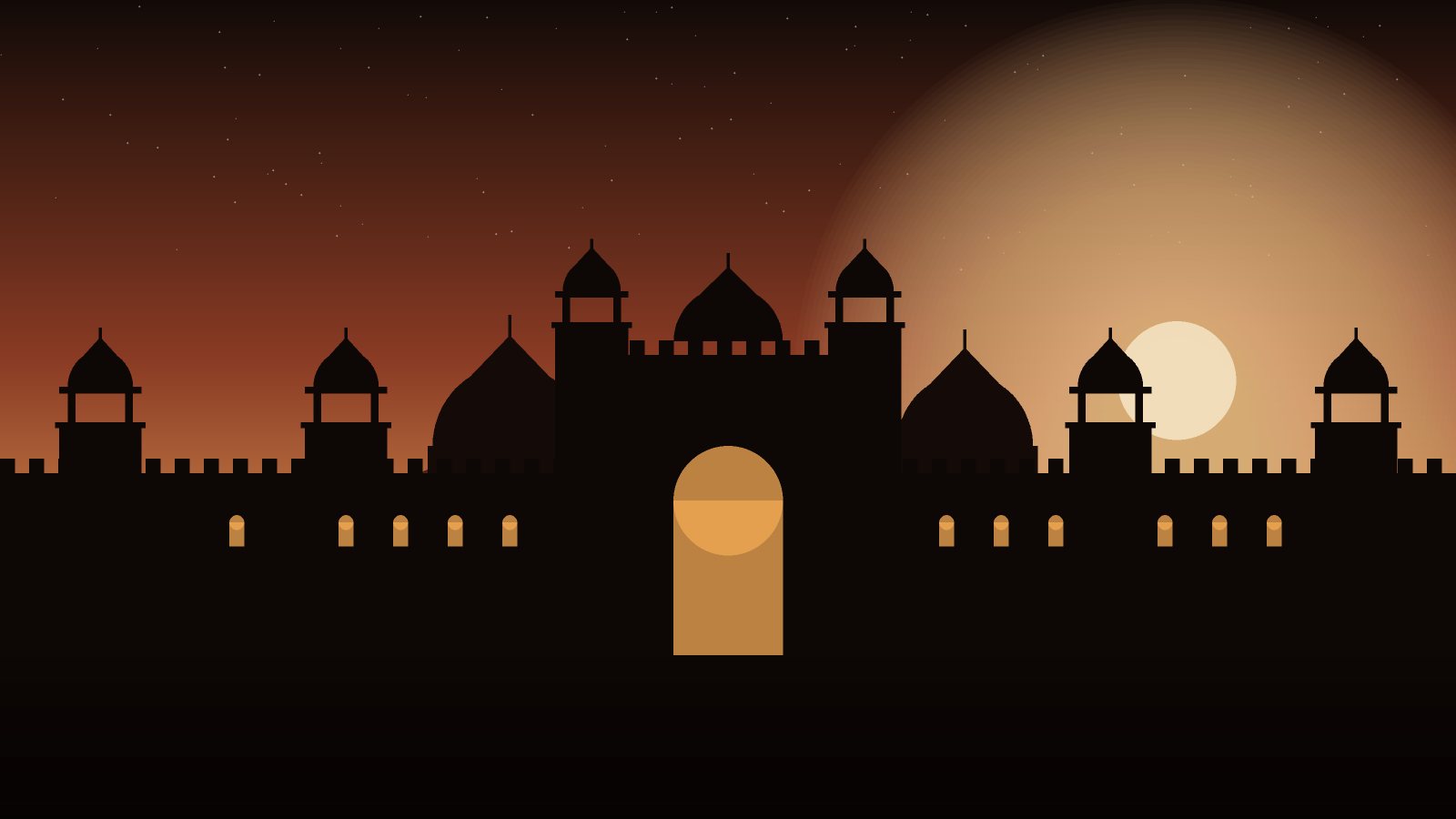
Jahangir added quarters and began the famous Picture Wall, covered in tile and fresco scenes of elephants, polo matches and hunts. Shah Jahan built the white marble halls, the Naulakha Pavilion and the Sheesh Mahal, the Palace of Mirrors, whose ceilings glitter with thousands of tiny pieces of glass. Aurangzeb gave the fort its grand Alamgiri Gate, facing the Badshahi Mosque.

Later, Maharaja Ranjit Singh ruled from here, and the British used it as a garrison. In 1981 UNESCO listed the fort, together with the Shalimar Gardens, as a World Heritage Site.
Must-see

  1. Sheesh Mahal, the Palace of Mirrors
  2. Alamgiri Gate, facing the Badshahi Mosque
  3. The Picture Wall, one of the largest tile murals in the world
  4. Naulakha Pavilion with its curved marble roof
  5. Diwan-e-Aam, the Hall of Public Audience

Through the ages

  1. 1566 Akbar rebuilds the fort in brick
  2. 1631–1632 Shah Jahan builds the Sheesh Mahal
  3. 1674 Aurangzeb completes the Alamgiri Gate
  4. 1799 Ranjit Singh takes Lahore and rules from the fort
  5. 1849 The British take over the fort
  6. 1981 Listed as a UNESCO World Heritage Site

More from Forts of Pakistan

See all

You may also like

See all