SomeThing Historic

Arg-e Bam

  • UNESCO World Heritage
  • Citadel
  • Founded around the 6th–4th century BCE; rebuilt many times
  • Successive Persian dynasties

The largest mud-brick citadel on earth, on the old trade routes of Persia.

Built
Founded around the 6th–4th century BCE; rebuilt many times
Built by
Successive Persian dynasties
Location
Bam, Kerman Province, Iran
UNESCO
Listed 2004

The story

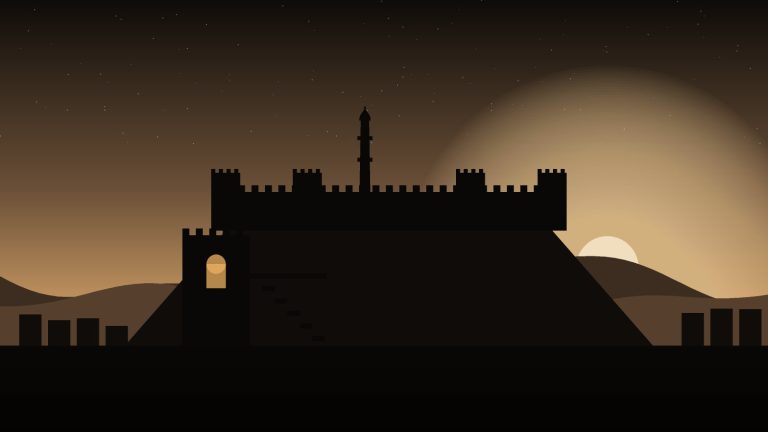
In the desert of south-eastern Iran, the town of Bam grew rich on trade, dates and silk. Its fortified old town, the Arg-e Bam, may go back to the Achaemenid Persians, and it flourished between the 7th and 11th centuries on the trade routes between Persia, Central Asia and India.

Everything was built of mud brick and straw: the outer walls and towers, the houses and bazaars, the mosque and, at the very top, the governor's citadel. It was the largest adobe building complex in the world.

On 26 December 2003 a powerful earthquake struck Bam, killing more than 26,000 people and destroying much of the citadel. In 2004 UNESCO listed Bam and its Cultural Landscape as a World Heritage Site, and careful rebuilding is still going on.

Must-see

  1. The governor's quarter at the top of the citadel
  2. The outer walls and their 38 towers
  3. The old bazaar street
  4. The qanats, the underground water channels of Bam

Through the ages

  1. 6th–4th century BCE Possible first settlement under the Achaemenids
  2. 7th–11th century Bam flourishes on the trade routes
  3. 2003 An earthquake destroys much of the citadel
  4. 2004 Listed as a UNESCO World Heritage Site