SomeThing Historic

Mohenjo-daro

  • UNESCO World Heritage
  • c. 2500 BCE
  • Indus Valley Civilization
  • Larkana District, Sindh, Pakistan

The great planned city of the Indus, with drains older than Rome.

Founded
c. 2500 BCE
Civilization
Indus Valley Civilization
Location
Larkana District, Sindh, Pakistan
UNESCO
Listed 1980

The story

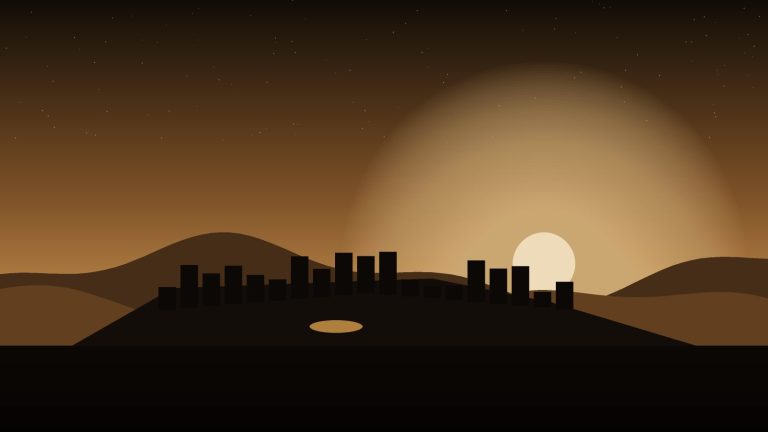
Mohenjo-daro, "the mound of the dead" in Sindhi, was one of the largest cities of the Bronze Age. At its height it may have been home to around 40,000 people, living in a grid of streets laid out with remarkable care.

Almost every house had its own bathing area, and wastewater flowed into covered brick drains running along the streets. No palace or royal tomb has ever been found here, which still puzzles archaeologists: who ruled this city, and how?

The site was identified in 1922 by the archaeologist R. D. Banerji. Its writing, the Indus script, has never been deciphered, so the city's own name remains unknown.
Must-see

  1. The Great Bath, a waterproofed brick pool on the citadel mound
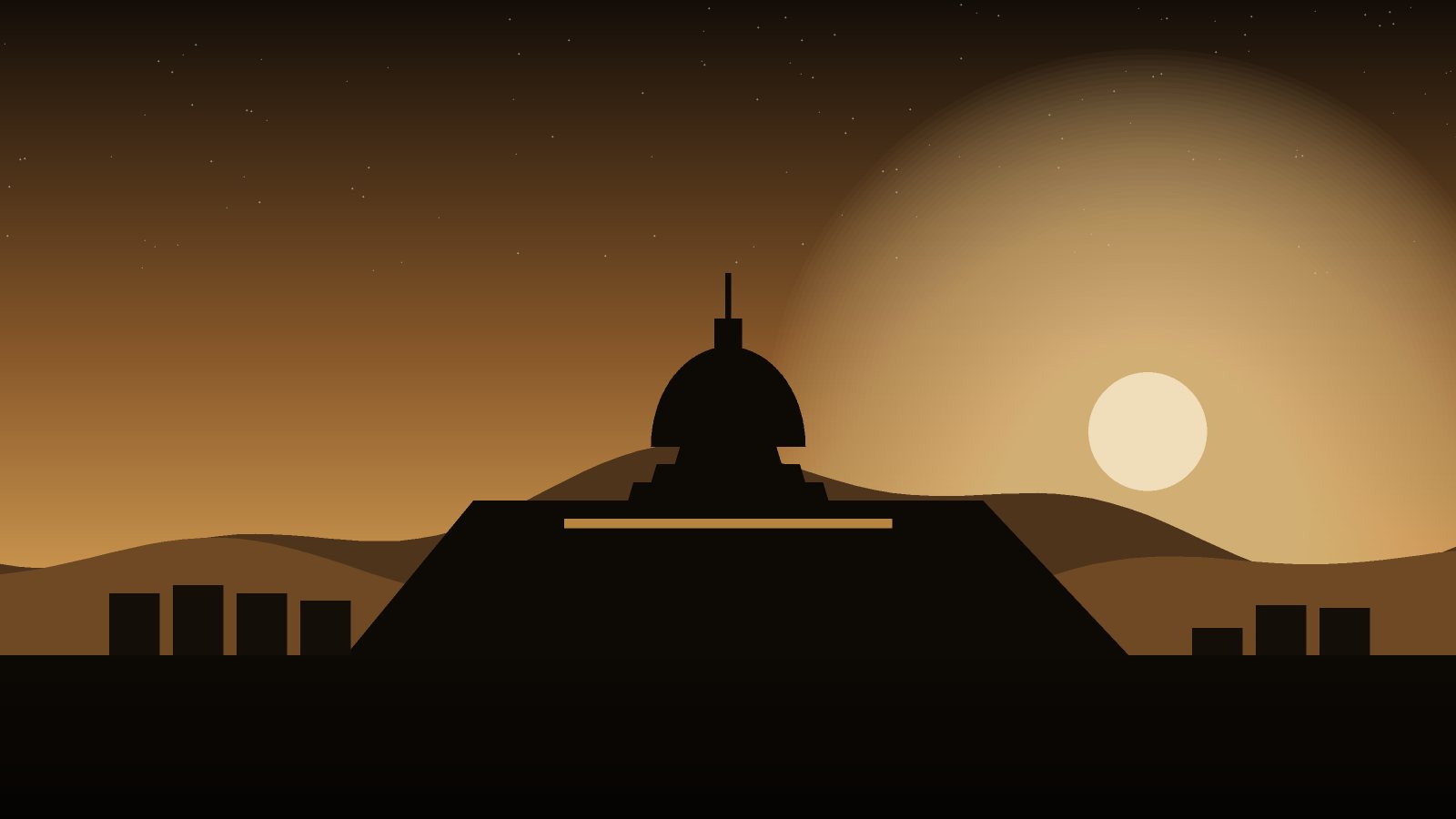
  2. The citadel, later crowned by a Buddhist stupa of the Kushan era
  3. The lower town's grid streets and covered drains
  4. The "Priest-King" sculpture, now in the National Museum of Pakistan, Karachi

Through the ages

  1. c. 2500 BCE The city is laid out on the Indus floodplain
  2. c. 1900 BCE Decline begins as the Indus cities lose their trade and rivers shift
  3. 1922 R. D. Banerji identifies the site
  4. 1980 Listed as a UNESCO World Heritage Site