Multan was already an important city when Alexander's army fought the Malli in this region in 326 BCE. It was renowned for its Sun Temple, which drew pilgrims from across the subcontinent.
In 712–713 CE Muhammad bin Qasim took the city, and it became one of the first centres of Islam in South Asia. Over the following centuries it was a frontier fortress for the Delhi Sultanate and a home for great Sufi teachers.
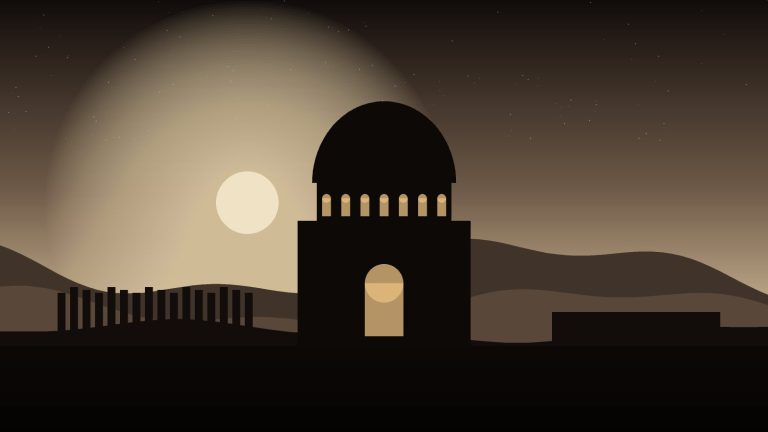
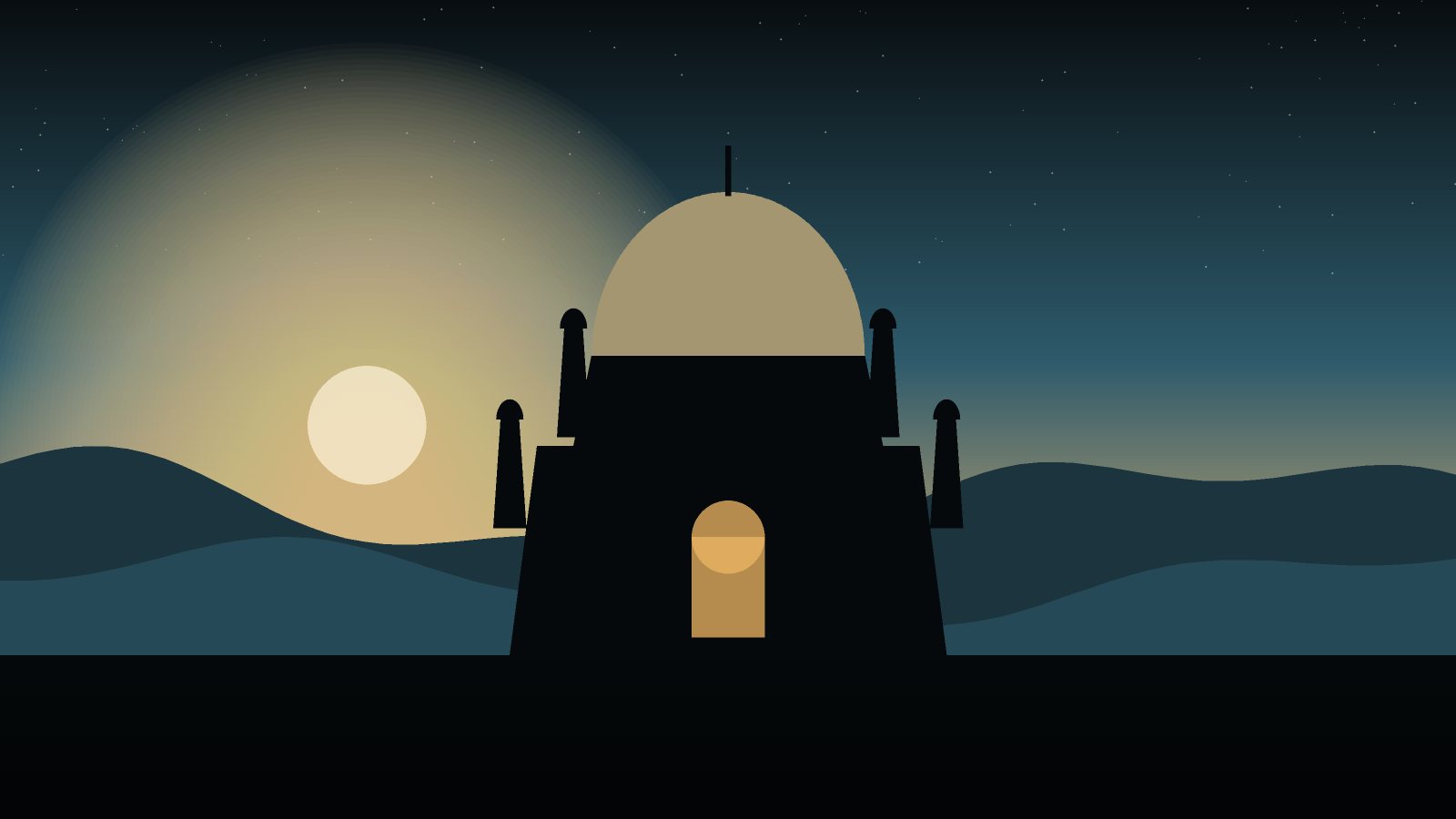
The tomb of Shah Rukn-e-Alam, built in the early 14th century, rises over the old fort mound and is one of the finest brick monuments in Pakistan.